
Blog
Perspectives on business and career challenges.
From the Rytmove team.
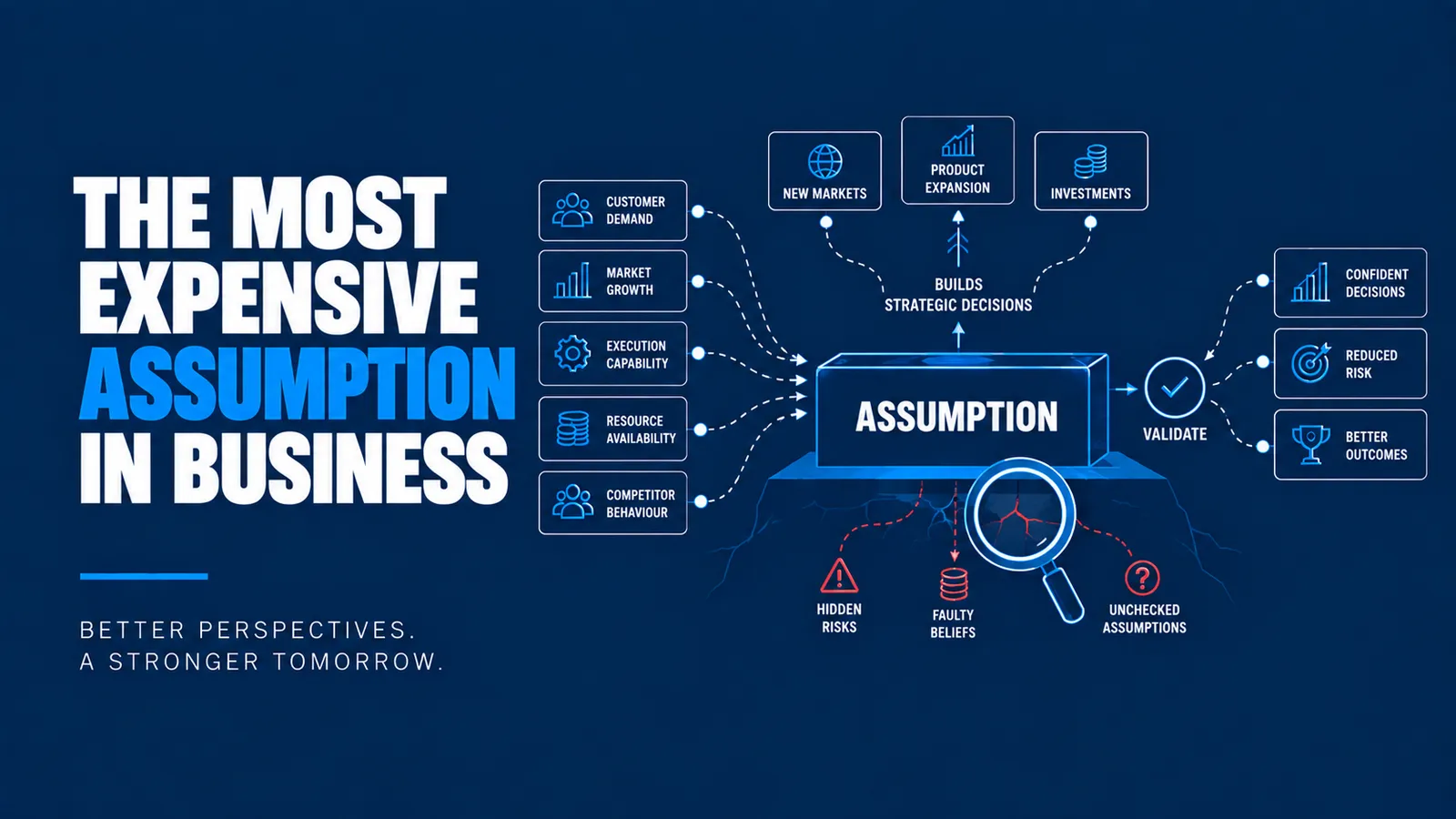
The Most Expensive Assumption in Business
Many business failures do not happen because leaders lack intelligence, resources, or ambition. They happen because critical assumptions go unchallenged. The most expensive mistakes often begin with a belief that everyone accepts as true—without verifying whether it actually is.
Read article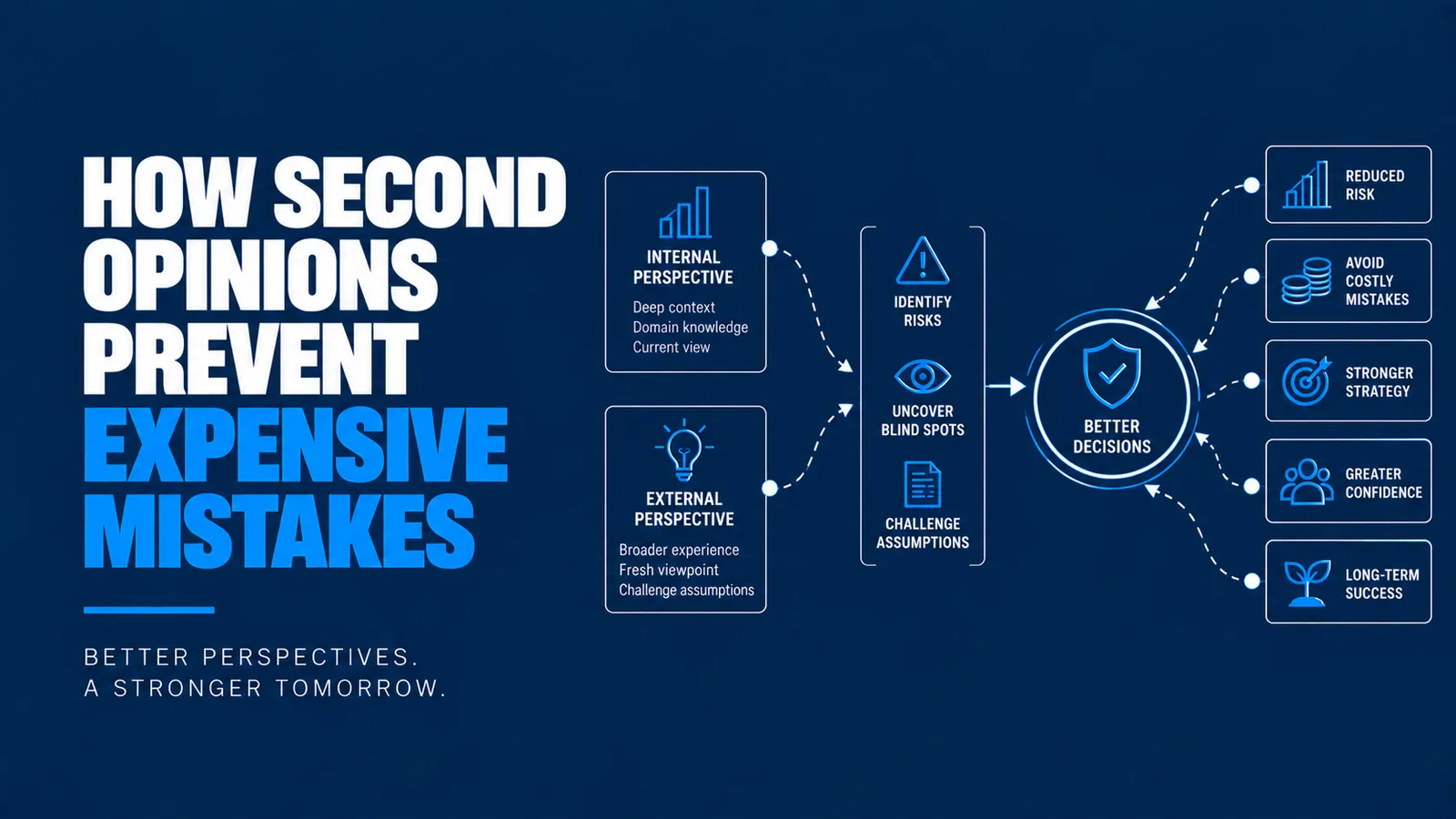
How Second Opinions Prevent Expensive Mistakes
Many of the most expensive business mistakes are not caused by poor intentions or lack of effort. They occur because leaders make important decisions with incomplete information, unchallenged assumptions, or limited perspectives. A well-timed second opinion can reveal blind spots, reduce risk.
Read article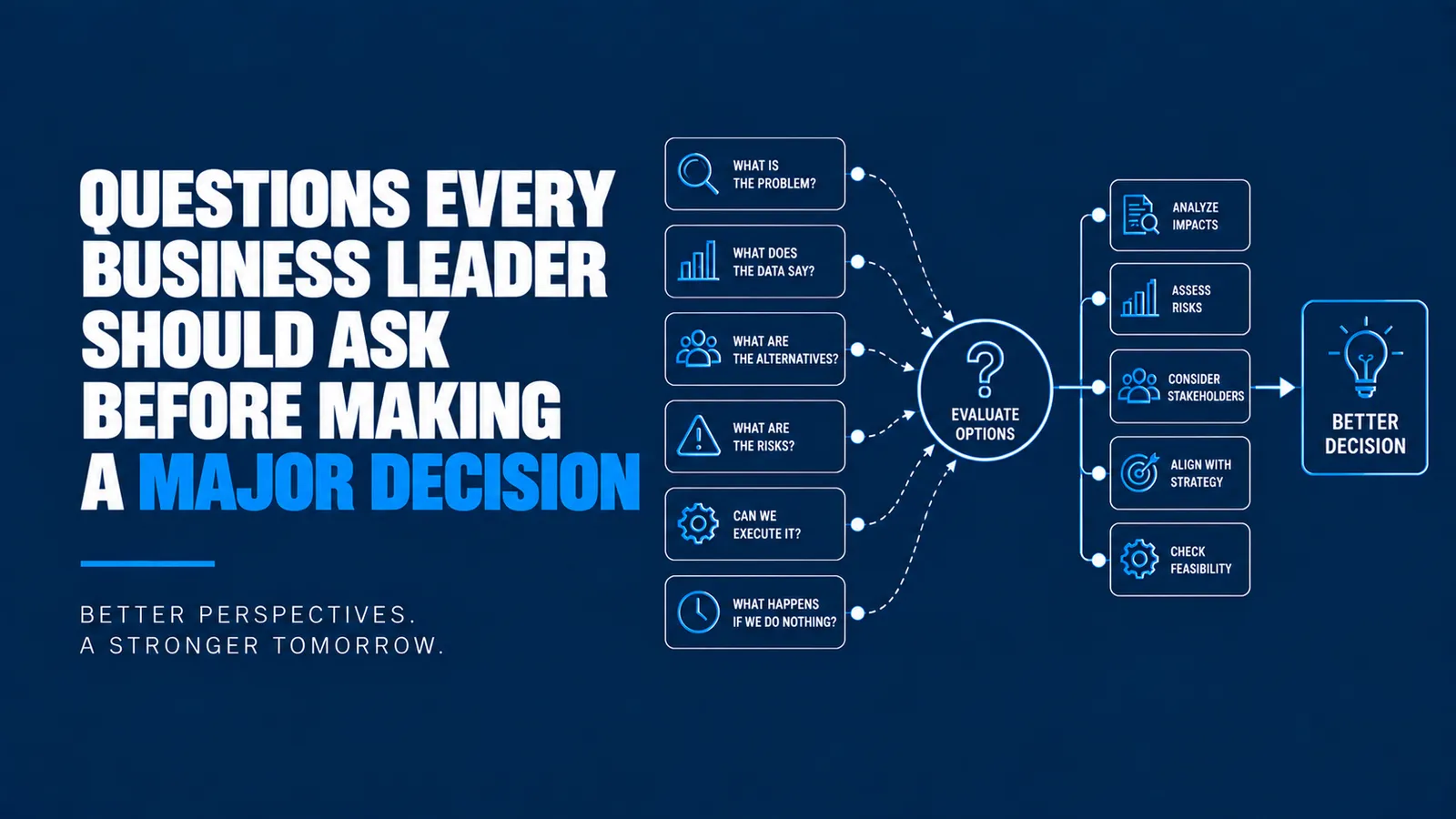
Questions Every Business Leader Should Ask Before Making a Major Decision
The quality of business decisions often determines the quality of business outcomes. While no leader can eliminate uncertainty, asking the right questions before making major decisions can significantly improve judgment, reduce risk, and increase the likelihood of success.
Read article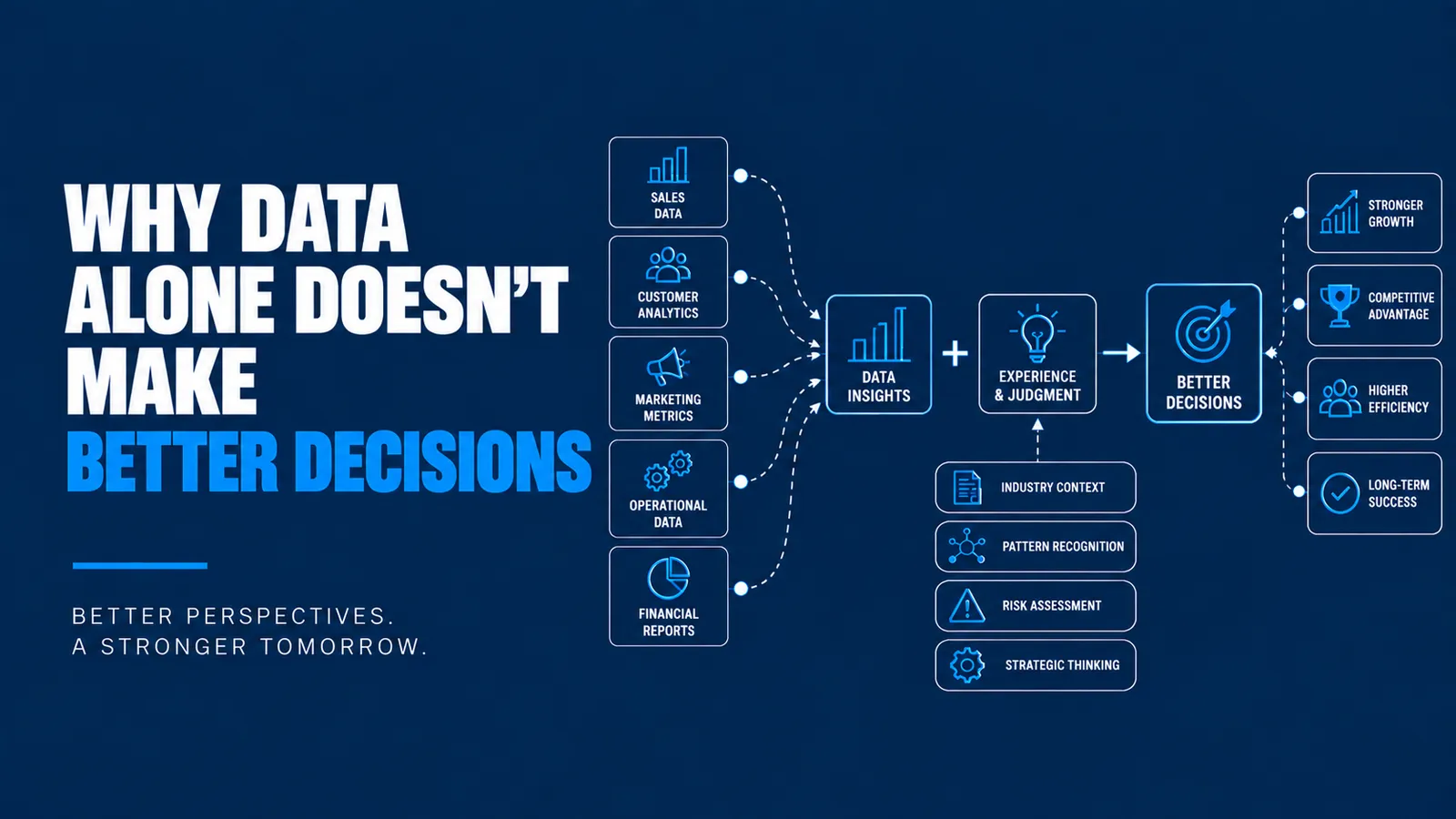
Why Data Alone Doesn't Make Better Decisions
Modern businesses have more data than ever before. Dashboards, reports, analytics tools, and real-time metrics provide endless information. Yet many organizations still make poor decisions. The problem is not a lack of data. The problem is how data is interpreted, contextualized, and acted upon.
Read article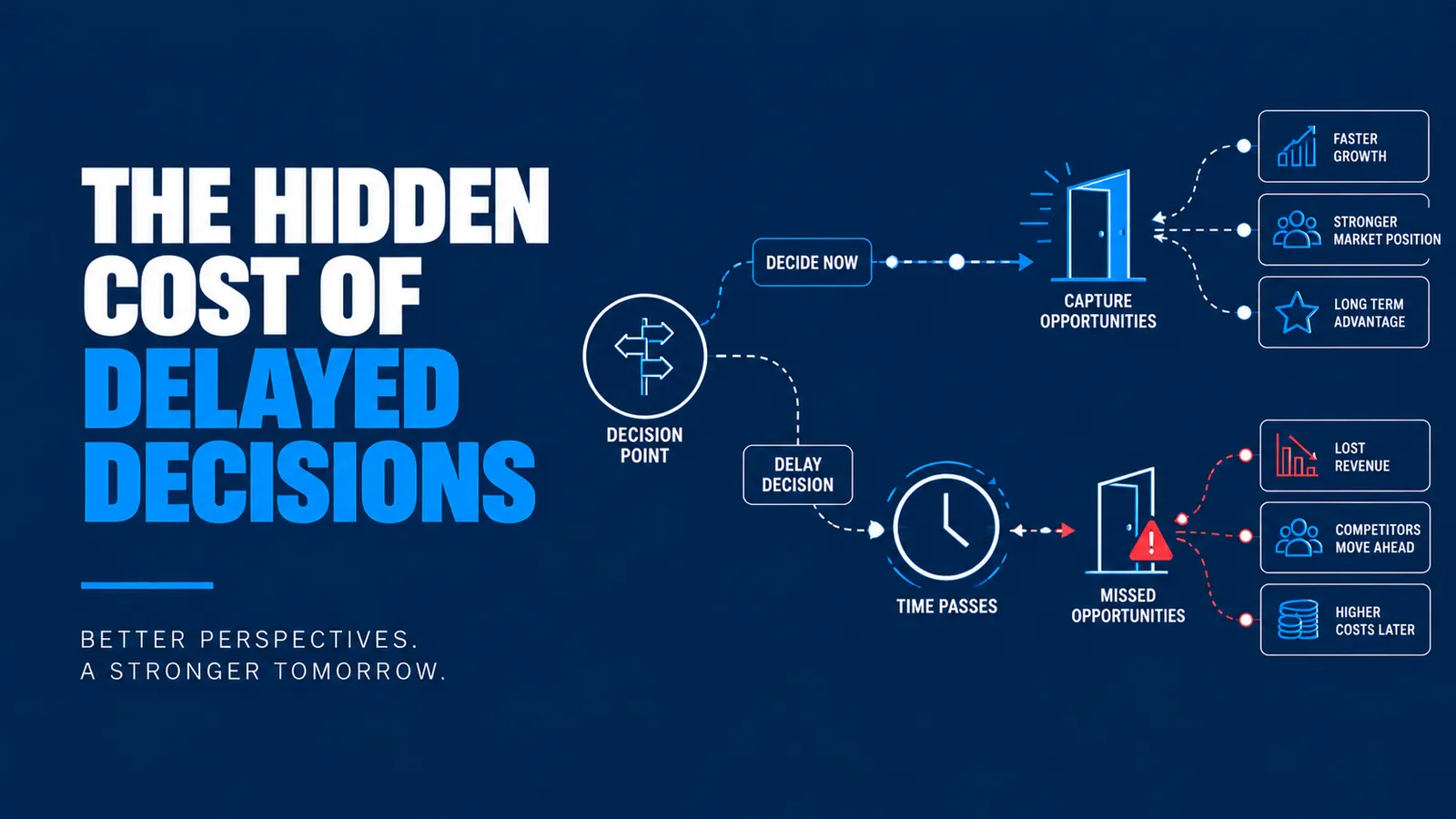
The Hidden Cost of Delayed Decisions
Most business leaders focus on the cost of making the wrong decision. Far fewer consider the cost of making no decision at all. Delayed decisions often create hidden costs that compound over time, including lost opportunities, slower growth, reduced competitiveness, and organizational uncertainty.
Read article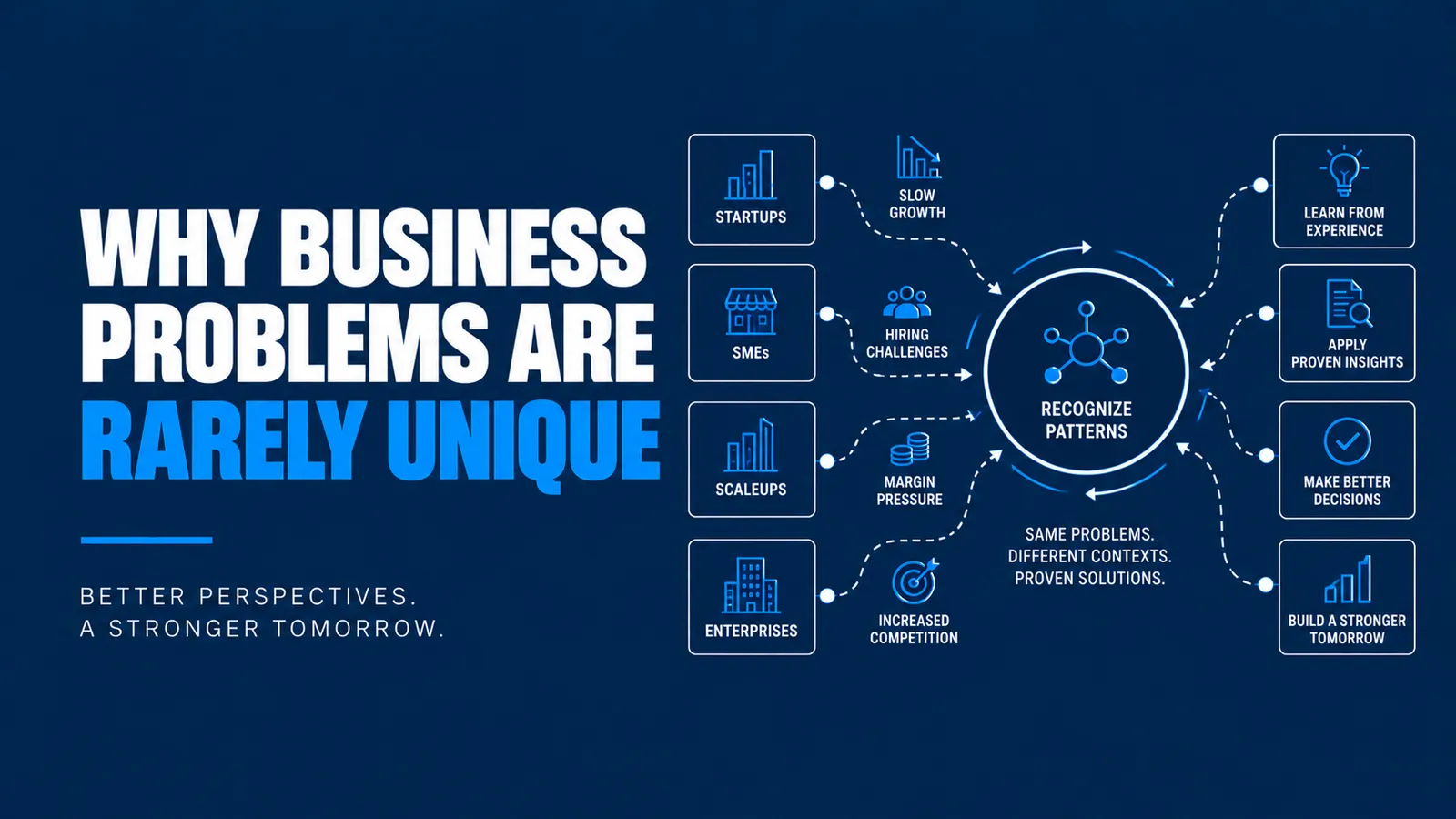
Why Business Problems Are Rarely Unique
Many business leaders believe their challenges are unique. While every business has its own context, most problems follow familiar patterns. Understanding this can help leaders learn faster, avoid common mistakes, and make better decisions by drawing on the experience of others
Read article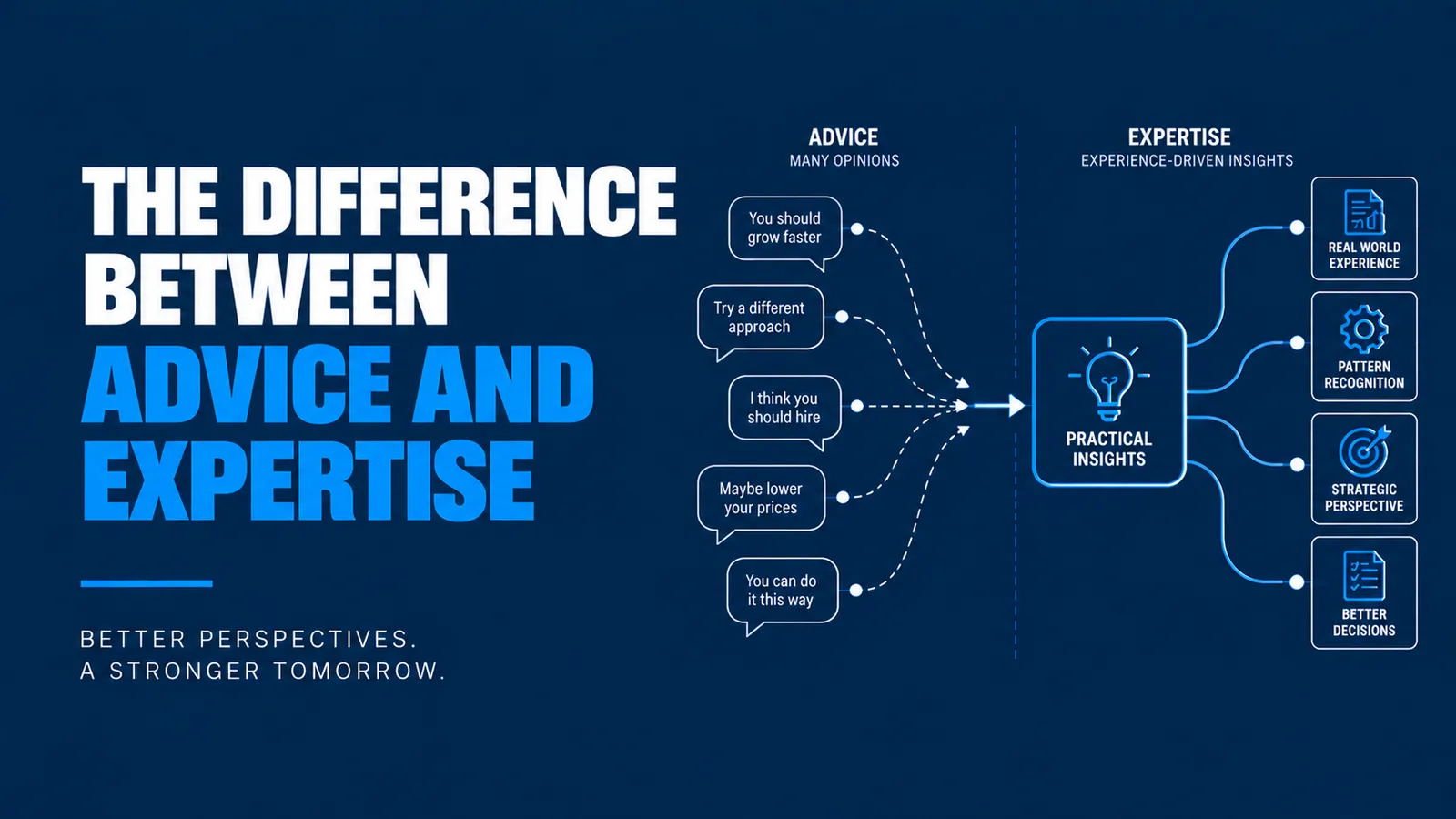
The Difference Between Advice and Expertise
Everyone has advice. Friends, colleagues, social media, podcasts, and online communities offer opinions on almost every business challenge. But expertise is different. Expertise comes from experience, pattern recognition, and having solved similar problems before.
Read article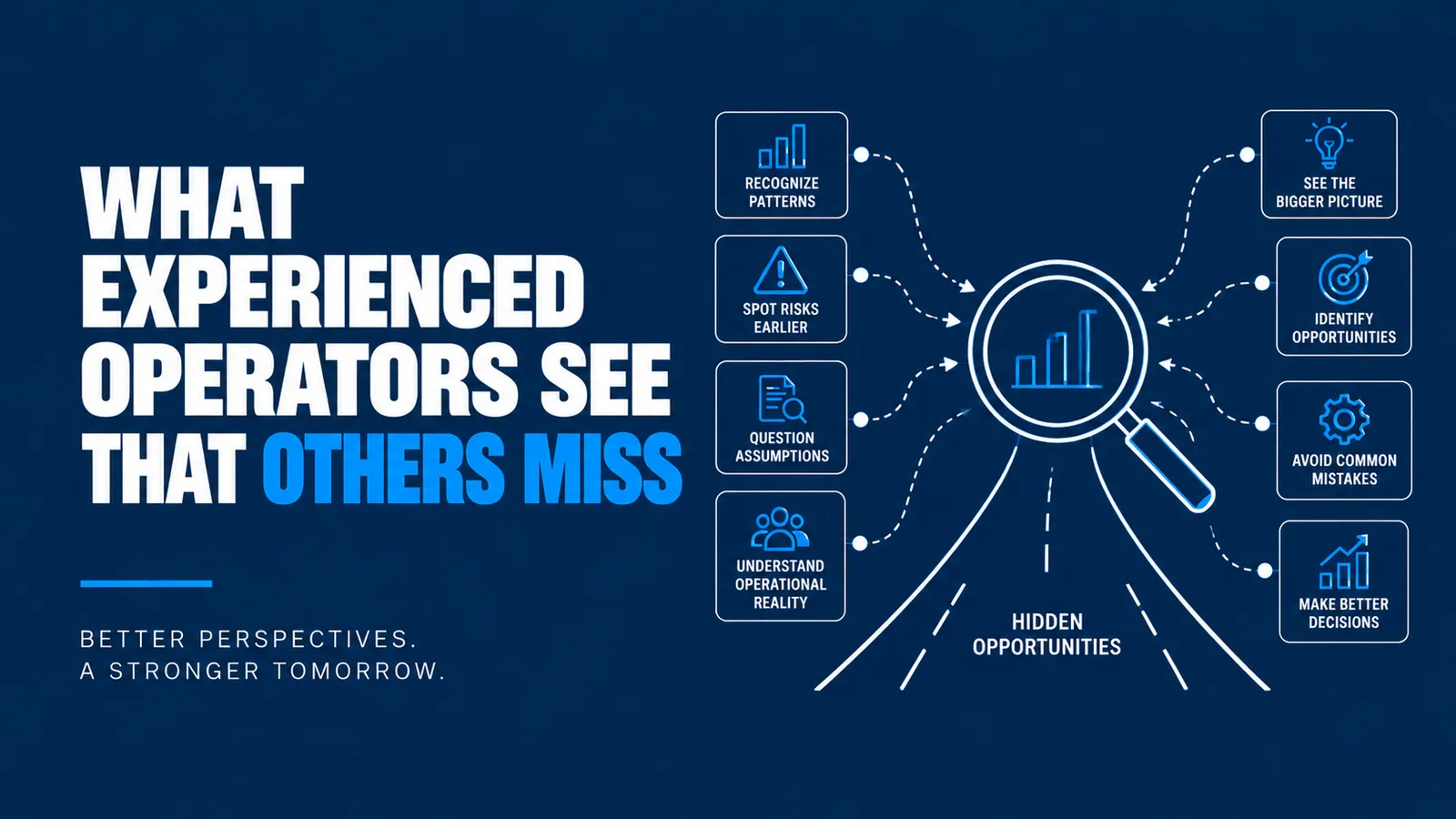
What Experienced Operators See That Others Miss
Experience does not guarantee success. But it often improves judgment. Experienced operators recognize patterns, identify risks earlier, and ask better questions because they have seen similar situations before. This ability to see what others miss can prevent costly mistakes and improve decision
Read article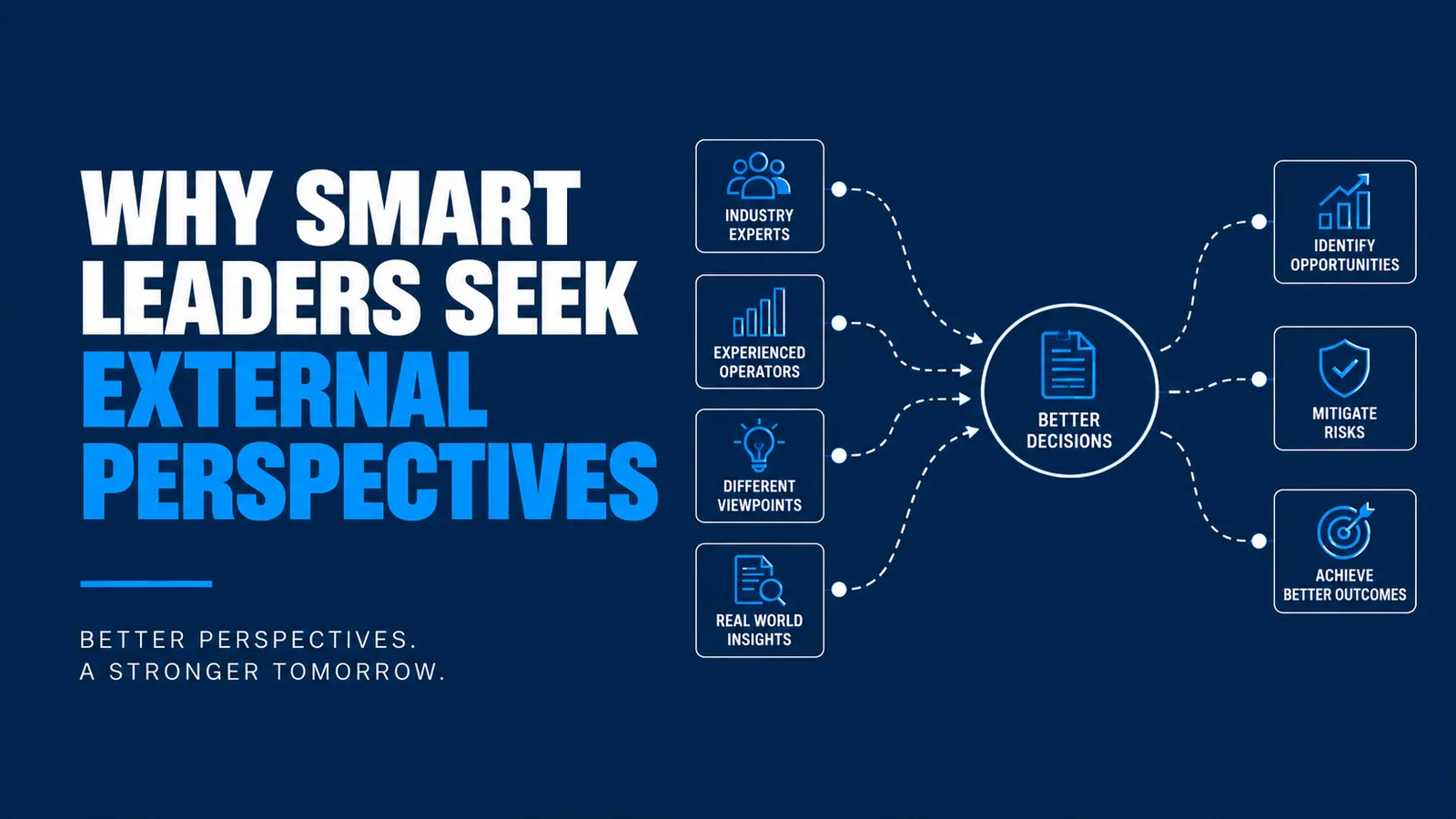
Why Smart Leaders Seek External Perspectives
The best leaders are not those who always have the answers. They are often the ones who actively seek different viewpoints before making important decisions. External perspectives help uncover blind spots, challenge assumptions, and improve decision quality.
Read article